Project description
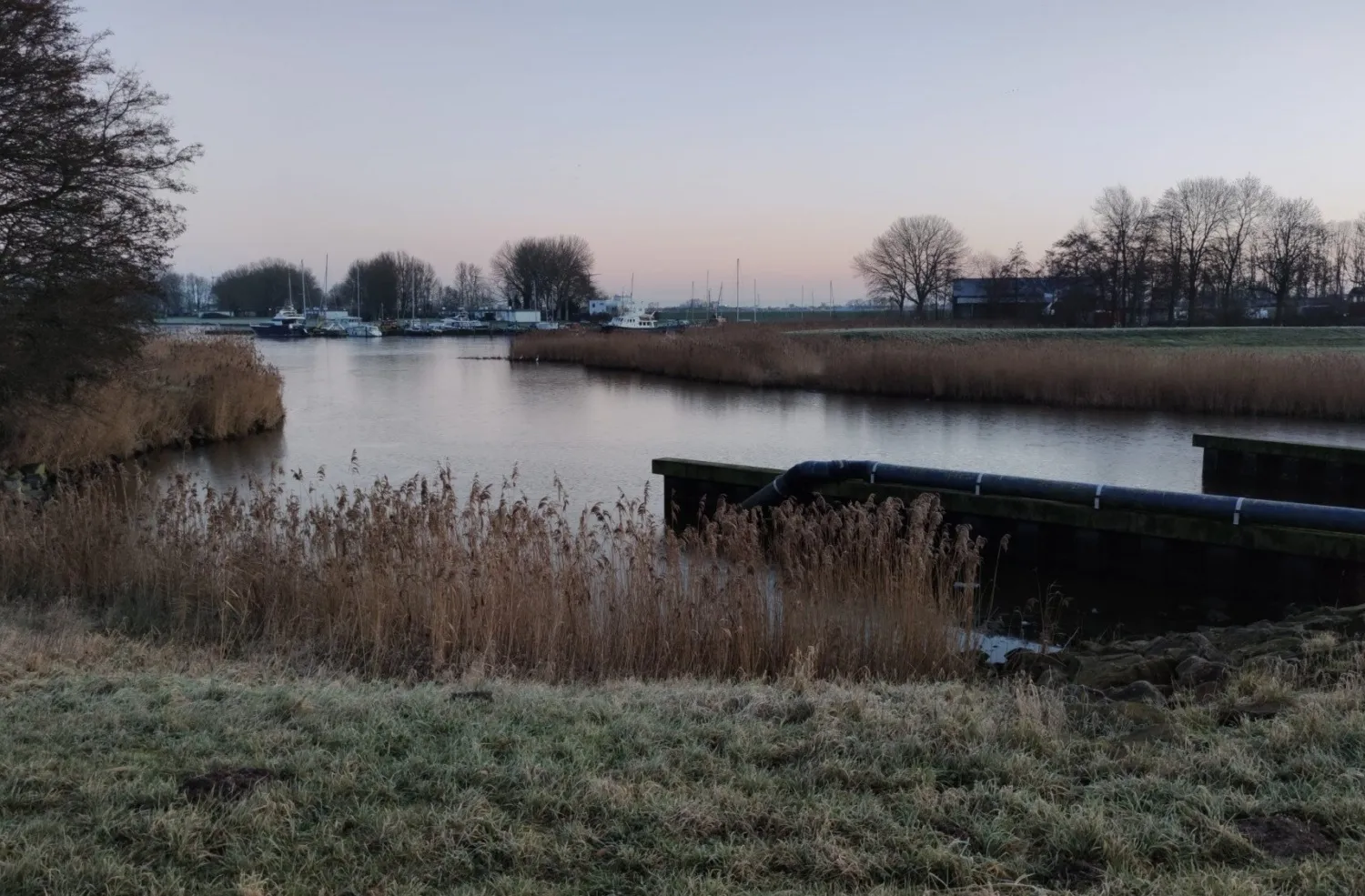
The provinces of Flevoland and Overijssel are collaborating with Rijkswaterstaat on the reconstruction of the N307 and the water crossing between Lake Vossemeer and Lake Drontermeer. The existing infrastructure at the Roggebot Lock is being replaced with a future-proof solution, including a new movable bridge with increased navigation clearance and a wider waterway.
The redevelopment improves traffic flow for both motorised and non-motorised traffic while enhancing safety for road users and shipping. At the same time, significant measures are being implemented to improve flood protection, as the project area forms part of a designated flood defence zone.
The project is part of two national programmes:
- ‘De weg van A tot Z’ – improving the transport corridor between Alkmaar and Zwolle.
- IJssel Delta Programme – regional development and flood protection within the “Room for the River” programme.
Construction is being carried out by Combinatie Roggebot, a joint venture of Mobilis, Van Gelder, and Van den Herik.
MH Poly's Role
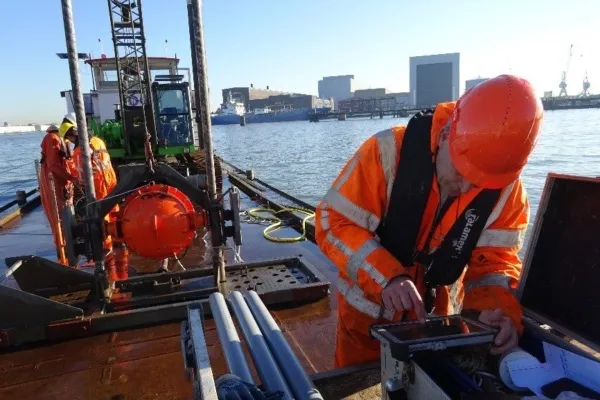
Within this project, MH Poly acted as a specialist in soil and aquatic sediment investigations. Our role was characterised by a proactive approach, combining detailed site investigations with the early identification of environmental risks and practical advice on efficient project execution.
After reviewing existing investigation reports, we carried out targeted supplementary studies and advised on soil management, permitting procedures, and environmental risks throughout the project.
Services performed
As part of this project, MH Poly carried out, among others, the following activities:
- Review of existing soil and aquatic sediment investigation reports
- Baseline environmental investigations of construction sites
- Aquatic sediment investigations in Lake Vossemeer and Lake Drontermeer
- Turbidity monitoring during discharge activities
- Specialist aquatic sediment investigation near the lock (to depths of approximately 9 metres)
- Preparation of a Soil Management Plan
- Development of a 3D contamination model
- Batch testing of excavated materials
- Coordination with the competent authorities regarding notifications and environmental permits
This integrated approach provided full control over environmental risks while supporting the efficient execution of the works.